RentNew
Jumeirah Lake Towers
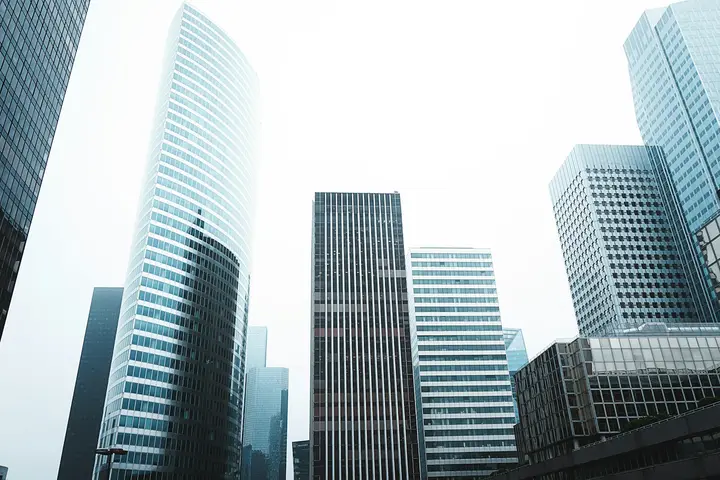
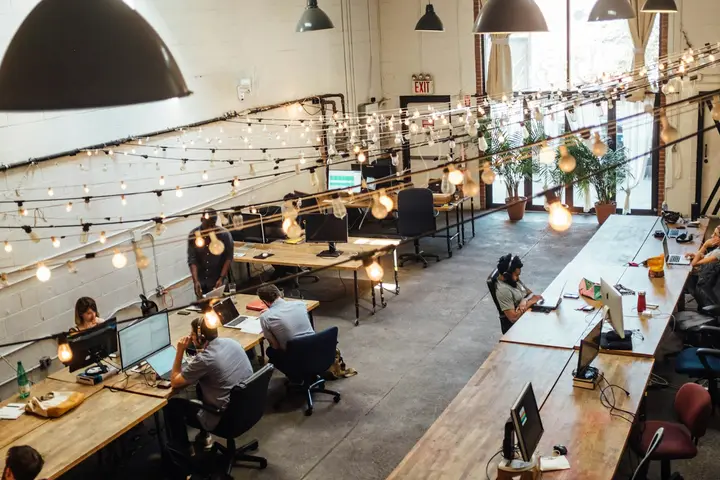
DMCC Fitted Office with Lake View, Almas Tower
- 2,300 ft²
- Fully fitted
- Floor 38
AED 299,000/yr
AED 130/ft²
Area guide · Dubai
<p>The DMCC free zone's office community: liquid strata offices, lower entry prices than central districts, and DMCC trading, service and industrial licences.</p>
Live in Jumeirah Lake Towers
Jumeirah Lake Towers
AED 299,000/yr
AED 130/ft²
Jumeirah Lake Towers
AED 166,600/yr
AED 170/ft²

Jumeirah Lake Towers
AED 156,750/yr
AED 95/ft²

Jumeirah Lake Towers
AED 1.5M
AED 1,300/ft²
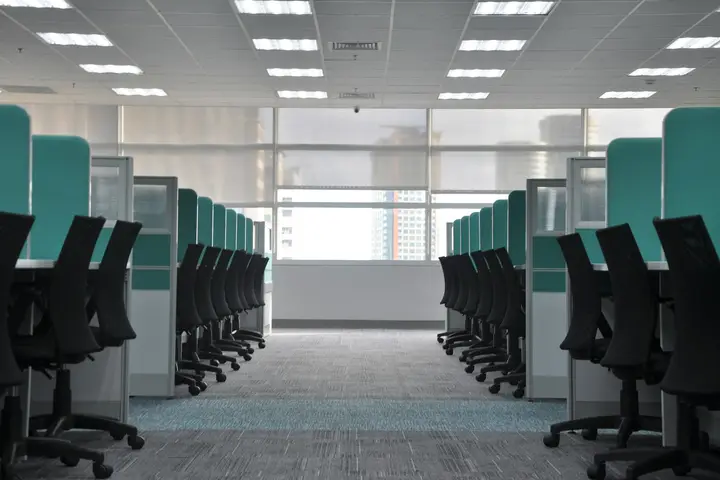
Jumeirah Lake Towers
AED 989,000/yr
AED 115/ft²
Jumeirah Lake Towers is one of Dubai's largest free zone office communities and one of its most actively traded strata-office markets. Its owner and regulator, DMCC, is at once the licensing authority, the master developer and the community manager — an arrangement that makes JLT unusually coherent for a district of around 80 towers. For SMEs, trading companies and investors, JLT offers free zone licensing, a deep rental market and entry prices well below the central business districts. This guide explains how it works and where the trade-offs lie.
JLT sits between Sheikh Zayed Road and Al Khail Road, opposite Dubai Marina, and is built around artificial lakes in clusters lettered A to Z. The entire community falls within the Dubai Multi Commodities Centre (DMCC) free zone. DMCC reported close to 26,000 member companies in August 2025, making it one of the largest free zones in the world by company count.
That scale shapes the market. JLT's occupier base is broad: commodity and precious-metals traders, shipping and logistics firms, technology companies, crypto and Web3 businesses, consultancies, recruitment and media firms, and the regional offices of mid-sized international groups. Many arrive through DMCC business centres, then graduate to their own units in the same district.
JLT's towers were largely delivered between 2008 and 2016, with a mix of commercial, residential and mixed-use buildings in each cluster. Established office buildings include Almas Tower (DMCC's headquarters and home of the Dubai Diamond Exchange), Platinum Tower, Fortune Tower, Indigo Icon, Armada Tower 1, Jumeirah Bay X1, Swiss Tower, HDS Business Centre, Preatoni Tower and Reef Tower. New-generation supply is concentrated in DMCC's Uptown Dubai district at the community's northern end, and in new tower projects within JLT itself.
On those averages, JLT's gross income return is attractive on paper — but averages blend very different buildings. Service charges, chiller arrangements and parking allocations vary widely from tower to tower and largely decide the net result.
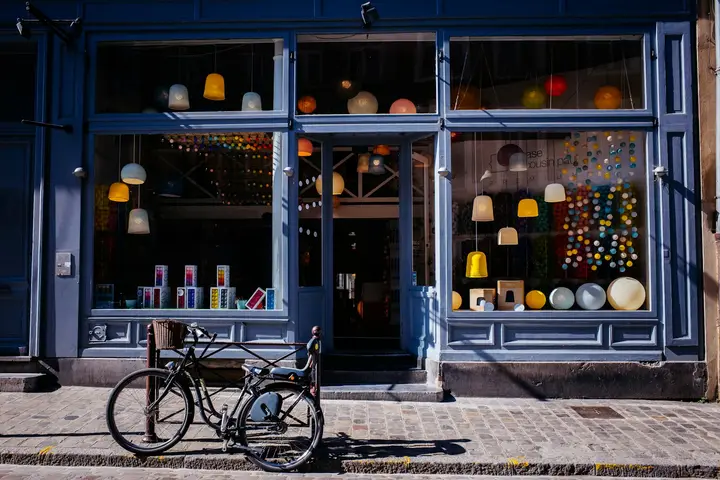
JLT retail is community-scale. Ground-floor units around the lakes and walkways host cafés, casual dining, supermarkets, pharmacies, clinics, salons, fitness studios and business services, serving office workers by day and residents in the evening. Lakeside units with terrace space are the most sought after for F&B. Destination and fashion retail is better served by Dubai Marina Mall, Mall of the Emirates or Ibn Battuta. Operators should check cluster footfall carefully: activity varies sharply between the busiest clusters near the metro and quieter corners of the community.
JLT is a free zone. Companies operating from JLT premises are licensed by DMCC, not by the Department of Economy and Tourism (DET). DMCC also approves the premises used for licensing and links visa allocation to the space a company holds — DMCC states, for example, a general guide of one visa per 9 sq m for a private office.
DMCC lists more than 1,000 approved activities. Financial services, crypto and virtual assets, healthcare and energy activities require additional approvals from the relevant regulator.
A DMCC company trades freely within the free zone and internationally. To conduct activities directly on the Dubai mainland, it needs a DET branch licence or temporary permit under Dubai Executive Council Resolution No. 11 of 2025, subject to the published activity list. Conversely, a mainland DET licence is not issued against a JLT free zone office, so mainland companies generally look to Business Bay, Sheikh Zayed Road or other mainland districts. Any dual-licensing route should be confirmed with DMCC and DET.
JLT office units are freehold strata properties owned by investors as well as developers. Because the tenant's licence depends on DMCC approval of the premises, landlords and tenants should complete DMCC's lease and premises registration requirements as part of the letting — confirm the current process with DMCC before the lease start date.
Against Dubai Marina, JLT offers far more office stock and free zone licensing. Against Business Bay, it offers lower rents and a free zone licence, but a less central location and no direct mainland licensing. Against DIFC, it suits commercial and trading businesses rather than DFSA-regulated finance.
Yes. JLT falls within the DMCC free zone, and companies operating there are licensed by DMCC.
Property Monitor data put the average around AED 135 per sq ft for the year to May 2026. Fitted units in better-managed towers with parking ask more.
Ready offices rose to around AED 2,050 per sq ft in January–May 2026, according to figures reported by Gulf Business. Prices vary widely by tower and condition.
Not on a standard DET licence, since JLT premises fall within the DMCC free zone. Mainland companies generally need mainland premises; confirm any dual-licensing route with DMCC and DET.
Under Resolution No. 11 of 2025, DMCC companies can apply for a DET branch licence or temporary permit for eligible activities on the Dubai mainland.
We advise DMCC licensees on office searches from first private office to multi-unit consolidations, and investors on tower-by-tower selection. See current commercial listings and off-plan commercial projects, or contact us for a requirement-led search.
Data is drawn from DMCC (company figures, August 2025; licensing guidance), Cavendish Maxwell (H1 2026), Gulf Business (January–May 2026) and Property Monitor via Engel & Völkers (year to May 2026). Figures are indicative. Licensing information is general guidance; confirm specifics with DMCC and DET. Nothing on this page is an offer or investment advice.
Talk to an advisor
Size, area, fit-out, parking, budget and move-in date — send it once. Not every space we handle is on the website, and the right one is often off-market.