RentNew
Downtown Dubai
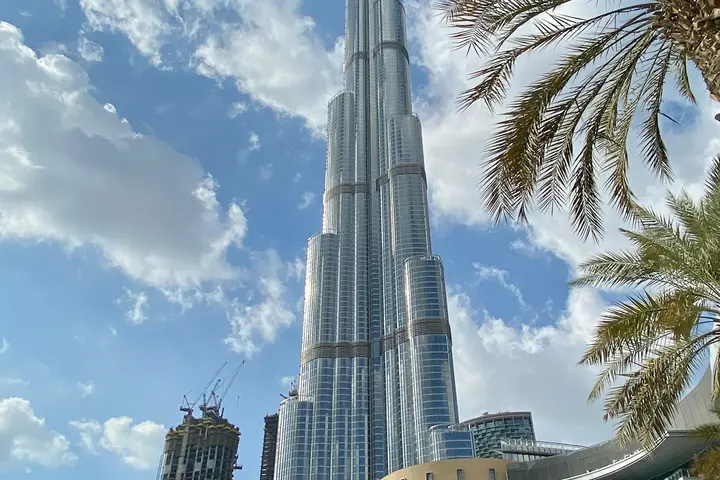
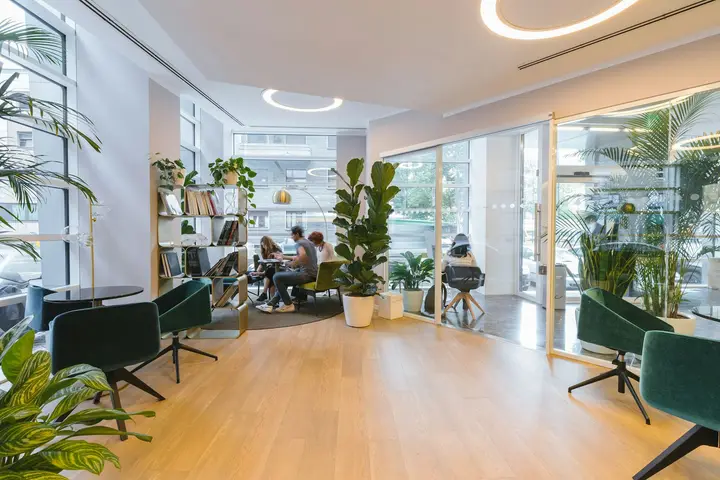
Fitted Office Facing Burj Khalifa, Boulevard Plaza
- 2,850 ft²
- Fully fitted
- Floor 22
AED 712,500/yr
AED 250/ft²
Area guide · Dubai
<p>Dubai's prestige address: scarce Emaar office stock, the region's highest-footfall retail around The Dubai Mall, and mainland DET licensing.</p>
Live in Downtown Dubai
Downtown Dubai
AED 712,500/yr
AED 250/ft²
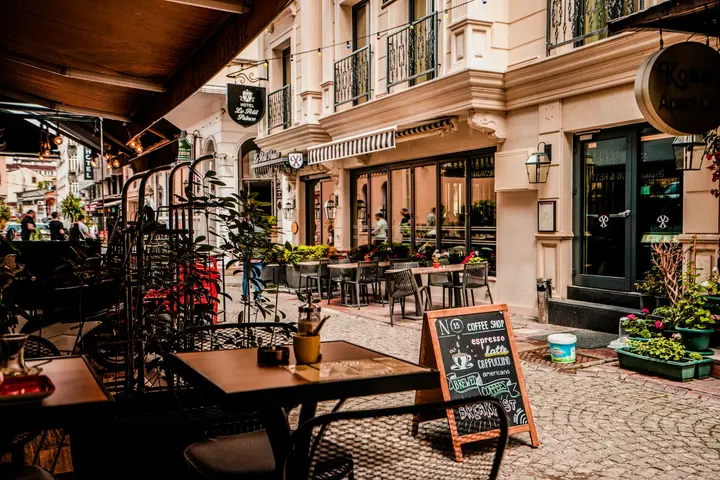
Downtown Dubai
AED 472,000/yr
AED 400/ft²
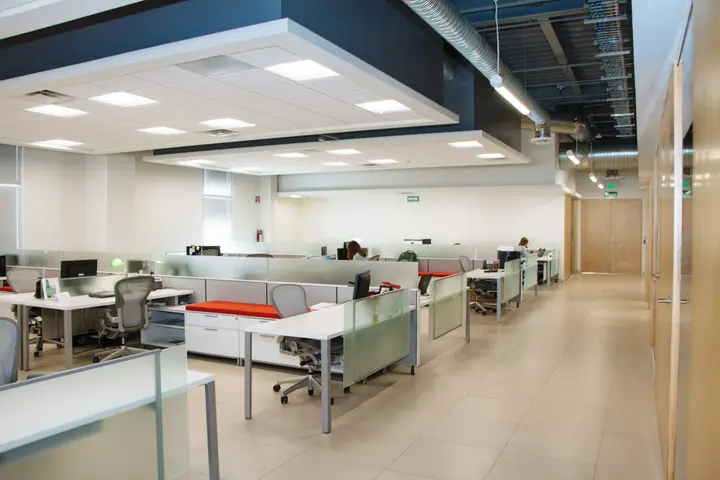
Downtown Dubai
AED 2,898,000/yr
AED 230/ft²
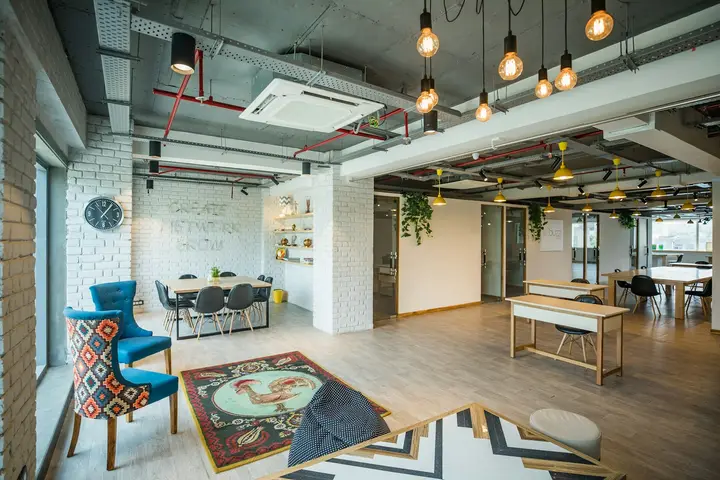
Downtown Dubai
AED 6.2M
AED 3,250/ft²
Downtown Dubai
AED 14.5M
AED 4,200/ft²
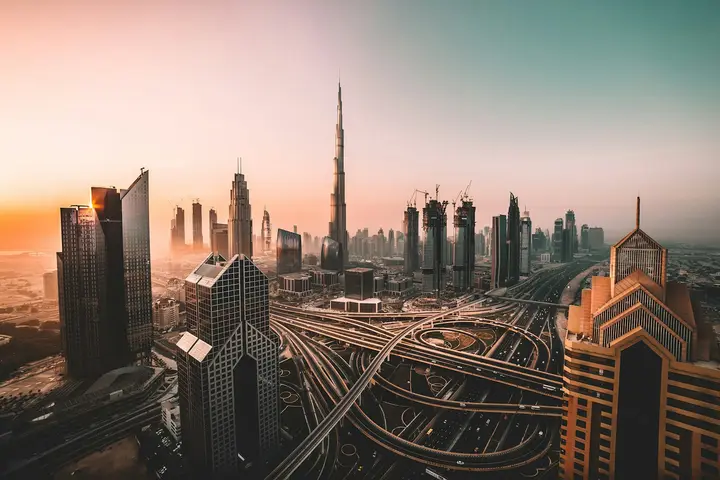
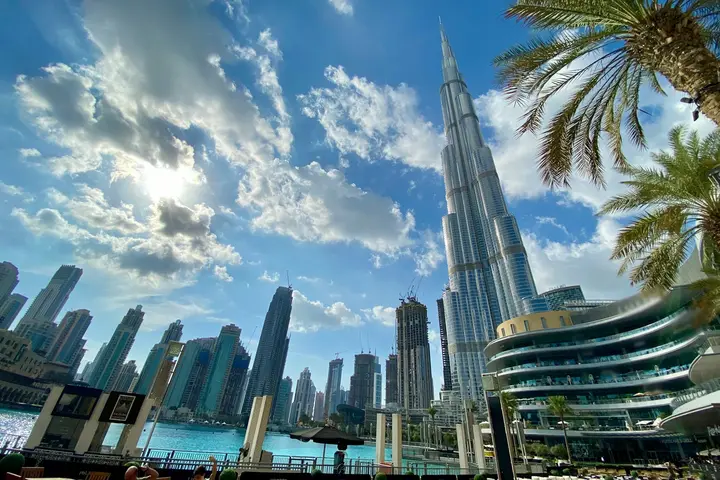
Downtown Dubai is the city's address of record. Built by Emaar around Burj Khalifa and The Dubai Mall, it is first a retail, hospitality and residential destination, and only second an office district. That balance is exactly why it matters commercially: the office stock is small, the footfall is enormous, and the brand value of a Downtown address is out of proportion to its square footage. This guide looks at Downtown from the occupier's, the retailer's and the investor's side.
Downtown is a master-planned, freehold community of roughly 500 acres, developed and still largely managed by Emaar. Unlike Business Bay, where offices dominate, Downtown's commercial life is anchored by three things:
Offices sit within and around this ecosystem. The occupiers who choose Downtown are typically regional headquarters wanting a recognisable address, luxury and lifestyle brands, private-wealth and advisory firms that entertain clients, real estate developers and their sales teams, and businesses whose clients are themselves visitors to the district.
Downtown offers far fewer office units than Business Bay or JLT, and most are in established buildings delivered from the late 2000s onwards. Fitted units are the norm. Whole floors are rare and tend to stay with long-standing tenants. That scarcity explains why Downtown rents sit near the top of the Dubai market despite the age of much of the stock.
Note the gap between averages and individual buildings: Burj Khalifa and Boulevard Plaza units trade at very different levels from older Emaar Square stock, and averages across a small sample move sharply with a few transactions.
For retailers, Downtown is a different proposition from almost anywhere else in the region.
Concepts that suit Downtown: flagship and luxury retail, destination dining with terrace seating, premium cafés, beauty and wellness, galleries and experiential concepts, and showrooms for brands that want to be seen by international visitors. The trade-off is cost: rents, fit-out standards and landlord approval processes are among the most demanding in Dubai.
Downtown Dubai is mainland. Businesses operating from Downtown offices and shops are licensed by the Dubai Department of Economy and Tourism (DET), with the premises registered through Ejari. DIFC begins on the other side of Sheikh Zayed Road and Financial Centre Road; it is a separate jurisdiction, and an address described as "Downtown / DIFC" should be checked to confirm which side of the line it sits on.
Free zone companies wishing to serve mainland customers from Downtown should check eligibility under Dubai Executive Council Resolution No. 11 of 2025, which allows DET branch licences or permits for many free zone activities (DIFC financial institutions excluded).
Against Business Bay next door, Downtown offers the stronger address and footfall but far less office choice and higher cost. Against DIFC, it offers mainland licensing and a lifestyle setting rather than a financial ecosystem. Against Sheikh Zayed Road towers, it offers prestige and walkability instead of floor-plate value.
Mainland. Companies are licensed by the Department of Economy and Tourism (DET) and premises are registered through Ejari. DIFC, the neighbouring financial free zone, is a separate jurisdiction.
Property Monitor data put the average at about AED 367 per sq ft for the year to May 2026, with rents up 17.5% year on year in H1 2026 according to Cavendish Maxwell. Individual buildings vary widely.
Yes. Burj Khalifa includes strata-owned corporate suites that are bought and leased on the open market, though availability is limited.
Mall leasing is managed directly by Emaar. Expect a brand and concept approval process, high fit-out standards, and rent structures that often combine base rent with a turnover element.
For a regional HQ that values address and client experience, yes. For large headcounts needing efficient floors and parking, Business Bay or Sheikh Zayed Road often deliver better value.
We advise on Downtown office acquisitions and leases, including Boulevard Plaza, Emaar Square and Burj Khalifa corporate suites, and on retail positioning around the Boulevard. See our Burj Khalifa corporate suite, current commercial listings, or contact us for a requirement-led search.
Market data is drawn from Property Monitor (via Engel & Völkers, year to May 2026), Cavendish Maxwell (H1 2026), Knight Frank via Gulf News (H1 2025) and Emaar announcements. Asking rents and prices are indicative. Licensing information is general guidance and should be confirmed with DET and the relevant authority. Nothing on this page is an offer or investment advice.
Talk to an advisor
Size, area, fit-out, parking, budget and move-in date — send it once. Not every space we handle is on the website, and the right one is often off-market.